As I am Icelandic I thought it would be interesting to write
a bit about my own economy as I have been following quite well what has been
happening.
After few years of slow growth around for many years
Iceland’s economy boomed and soon became one of the most overheated economies of
all the OECD countries. The upswing of the economy started with Alcoa’s smelter
in eastern Iceland and the corresponding construction of the Kárahnjúkar
hydroelectric project. This pumped billions of dollars into the Icelandic
economy fuelling both economic growth and inflation. All the country’s major
banks got privatised in 2002 which is when the banks started to focus on international
expansion and a riskier strategy.

In 2007 the banks’ balance sheets was almost 9 times the GDP
of Iceland. Most economic indicators were fuelled by flow of foreign capital as
well as through the carry trade. The economy was stretching to the limit and
external debt reached 142% of GDP. 21st of February 2006 Fitch
rating agency downgraded the outlook of Iceland’s sovereign debt to negative causing
a widespread sell in the Króna and other assets.
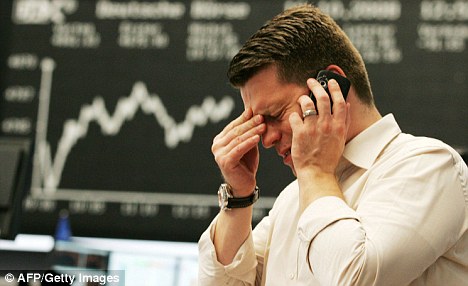
In 2008 when the global financial system was shaking and it
slowly became clear that the Icelandic banks were going to get into serious
problem as the banks were big compared to the size of the economy and the
government would not be able to help them. 15th of September of
September 2008 Lehman Brothers collapsed and it became clear that the banking system
had some serious problems. To make long make a long and dramatic story shorts,
the economy was not too large to fail but the banks were too large to be saved
by the Icelandic government. In less than a week in early October the three
major banks collapsed, they represented 85% of the Iceland’s financial system.
Further reading:
Picture:
Data used in graph:

Interesting article from an insider. How are Iceland's banks doing today? How did the crisis affect the day to day life of people?
ReplyDeleteThe Icelandic banks are doing ok but far away from doing good things. Most of the smaller banks have been merged into one of the 3 big banks. A lot of progress has been this year in terms of functionality but they are still far away from where they were before the crisis.
ReplyDeleteIt did affect everyone in Iceland. Unemployment has risen, the public health sector has had to cut over 20%, many schools have been merged in order to save and last but not least the króna, the icelandic currency, has dropped over dramatically which has made it a lot more expensive to go abroad and all imported goods like petroleum has become a lot more expensive