I came to Argentina last week so I thought it would be ideal
to talk about the Argentinian economy. Argentina went through a fast growth
which ended with deep crisis in 2001 where the Argentine peso devaluated from
1-to-1 to almost 4-to-1 against the dollar. This led to a default of the entire
economy and left it with $81 billion debt which creditors are still claiming.

In 2002 the economy shrunk by 10.9% but in the last recent
years the growth has been fast and stable, with an average of over 7%. The
global crisis had some affects in 2009 but it did not take long to recover.
This rice in GDP has been driven mainly by the commodity boom as agricultural prodcuts represents a big part of the Argentinian economy.
Import policies have been really strict in Argentina and
imported goods cost up to 3 times what they cost in the US because of high
import taxes. BlackBerry opened a factory at the beginning of this year in
southern Argentina and the rumour is that they did this in order to import individual
pieces with lower taxes and then use the factory to put them together. Another
example is a family friend which has an import company in the US and he imports
goods from over 20 different countries (including many Latin American
countries) but not long time ago he stopped importing from Argentina as it was
the only country that he knew that had such a complicated restrictions on
exports!
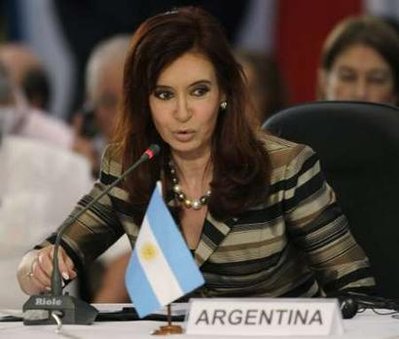
Cristina Kirchner was re-elected in mid-October where she
won the elections with 54% of the votes which turned out to be the biggest
victory in the first round of an Argentinian presidential elections since the
end of the dictatorship in 1983. You would think that after 4 years of
presidency and then being re-elected it would be clear that she has been doing
a good job; actually it is far away from being so.
She has been criticised for hiding economic problems that
might come slowly come up to the surface now after the elections. The official
inflation in Argentina is really low but according to CIA World Factbook the inflation
in Argentina in 2010 was 22%, which was the second highest in Latin-America
after Venezuela and the third highest in the world. This can clearly be seen in
Argentina, for example it is common to see stickers with new prices on menus,
as prices changes so frequently they cannot be bothered to print out new menus.
Sources:
Pictures:

How do you think Argentina will tackle its current economic problems and high inflation? Now 9 years have passed since the crisis in 2002, do you think they are about to enter another crisis?
ReplyDeleteThat is a really hard question and almost impossible to answer. They need to cut their inflation and their currency is too strong. If they let the currency get weaker the inflation will go up and if the currency stays that strong they might get into the same problem they got into in 2002. Unfortunately I would not be surprise if Argentina gets into crisis next year.
ReplyDelete